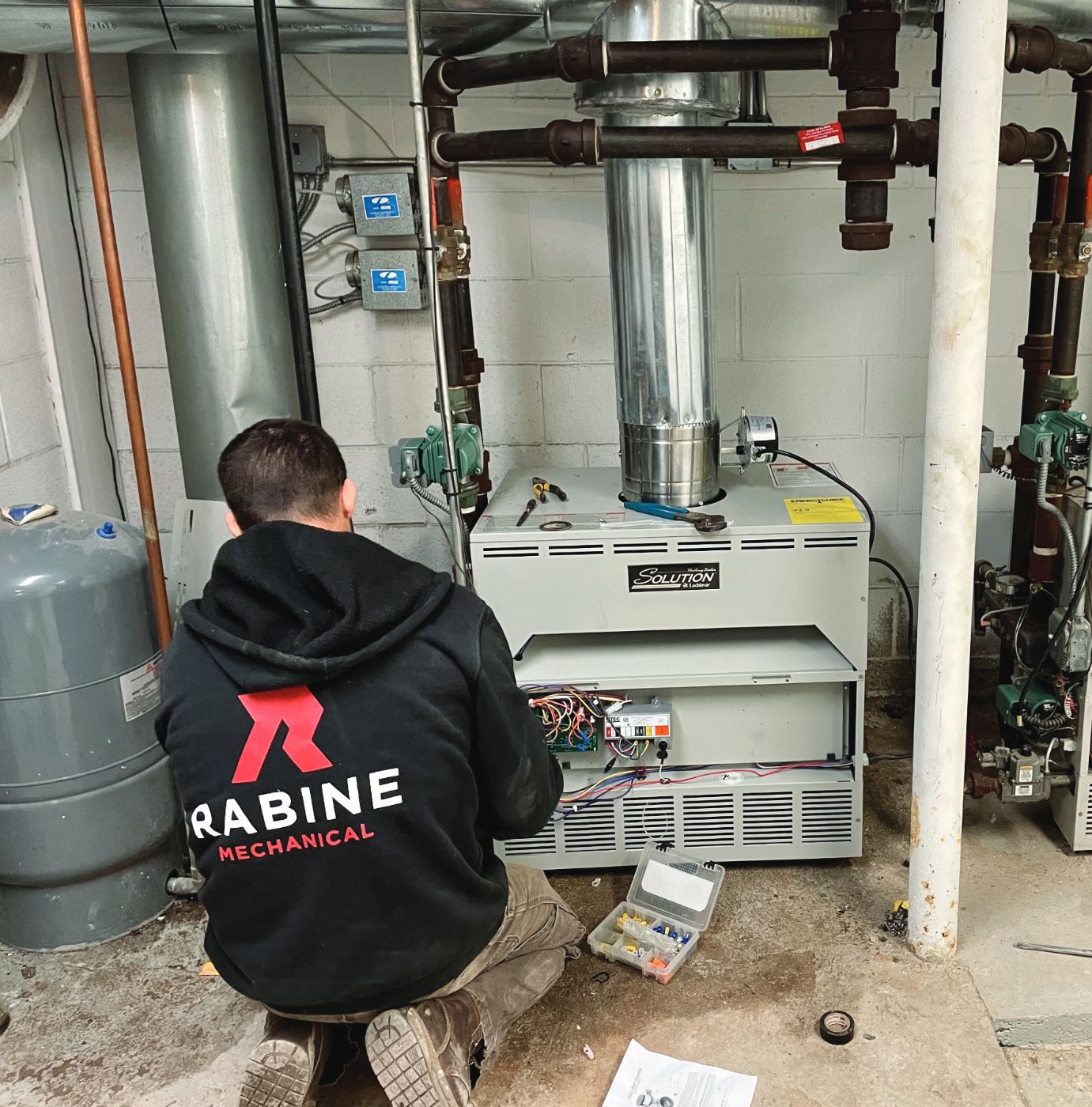
Preventative maintenance will reduce repair costs, improve performance, reduce operating costs, and increase occupant comfort.
Who this is for
Maintenance / facility manager
You want fewer surprises
Planned work replaces after-hours calls, downtime and tenant complaints. The units that need attention get it on a schedule you know about in advance.
Director of facilities
You want the spend to make sense
A generic visit schedule prices the same attention across equipment in very different condition. An agreement built on condition ratings puts the hours where they change an outcome.

Proactive risk identification
We identify units likely to fail and high-cost repairs before they happen, rather than after.
Clear repair versus replace decisions
We do not just quote repairs. We help you make the right call with a full-cost risk analysis.
A one-to-three-year capital plan
What needs replacement, when it will happen, and what it will cost. No surprises. No guesswork.
Fewer emergencies
Planned work replaces after-hours calls, downtime and tenant complaints. Your buildings stay up and running.
Longer equipment life and better performance
Consistent maintenance and smart planning extend equipment life and improve efficiency.
The statuses this page is about
Maintenance is what keeps equipment in the top two rows for as long as the equipment allows. Once a unit moves below them, the conversation changes from maintenance to capital planning.
Equipment status board
Normal operation
What it means
Running properly. No significant issues.
Your risk
Low
What we do
Continue preventative maintenance.
Minor issues
What it means
Early signs of wear. Minor repairs occurring.
Your risk
Manageable
What we do
Monitor condition and maintain.
How it connects
03
Service agreement
Maintenance scoped to the equipment the plan says needs it.
You are here
01
Condition assessment
We walk every roof and mechanical room and inventory what is actually there.
02
Written capital plan
Condition ratings, remaining useful life, a failure forecast and replacement cost ranges.
04
Proactive replacements
Changeouts scheduled into your budget cycle instead of into an emergency.
Questions we get
How is this different from a standard maintenance contract?
A standard contract prices a number of visits. This one is scoped from the condition assessment, so the equipment carrying the risk gets the attention and the equipment that does not is not being serviced on the same cycle for the sake of it.
Do I need an assessment before an agreement?
It is the sensible order, because the assessment is what tells us which equipment the agreement should cover. You can have the assessment without committing to an agreement afterwards.
What happens when something breaks anyway?
Equipment still fails, and reactive repairs are part of the job. The difference is that every repair is logged against the unit record, so the cost history feeds the next capital plan instead of disappearing.
Does an agreement cover multiple sites?
Yes. Multi-site portfolios are the normal case rather than the exception, and the equipment records, the status ratings and the reporting format stay the same across every building.
Will this reduce what I spend?
It changes when you spend it and how much of it is unplanned. Preventative maintenance reduces repair costs and improves performance; the larger effect is replacing emergency spend with budgeted spend.